Eco-Friendly Approaches: How E-Waste Recycling Services Are Preserving Our Planet
E-waste poses significant threats to the environment, as discarded electronics often contain toxic materials. These hazardous substances can contaminate soil and water, leading to broader ecological damage. Electronic waste recycling programs offer an effective remedy. They successfully retrieve useful resources while simultaneously minimizing environmental pollution. Understanding how these services operate and their impact on communities is essential. The path to successful electronic waste management prompts vital discussions about personal accountability and communal efforts. What actions should be considered going forward?
How E-Waste Is Hurting the Planet
Although technological advancements improve contemporary living, e-waste poses significant environmental threats. Abandoned electronic gadgets, often containing dangerous compounds like lead, mercury, and cadmium, may release harmful substances into soil and groundwater, posing risks to ecosystems and human health. The swift progression of technology leads to greater consumer replacement of electronic devices, intensifying the growing problem of e-waste.
Landfills, already burdened with waste, struggle to accommodate the growing volumes of discarded gadgets. Incineration, another disposal method, releases harmful pollutants into the atmosphere, contributing to air quality degradation. Moreover, poor recycling procedures can cause e-waste to be sent to developing regions, where employees may disassemble electronics without sufficient safety precautions, leaving them vulnerable to harmful substances. This ongoing cycle of carelessness and inadequate management emphasizes the pressing necessity for responsible recycling initiatives that can lessen the harmful consequences of e-waste on our world.
What Is E-Waste and Its Importance?
E-waste, also referred to as electronic waste, encompasses discarded electronic devices such as smartphones, computers, and televisions that are no longer functional or needed. This rapidly expanding waste category is noteworthy because of its swift buildup, propelled by advances in technology and evolving consumer behaviors. With an increasing number of devices reaching obsolescence, the toll on the environment grows more severe, with dangerous elements including lead, mercury, and cadmium posing risks to ecosystems and human health.
Addressing e-waste is crucial not only for reducing these dangers but also for acknowledging the precious materials found within it. Valuable metals and rare earth materials can be extracted and repurposed, lessening the demand for mining and preserving natural resources. Through a deeper awareness of e-waste and its consequences, both individuals and organizations can make well-informed choices regarding disposal and recycling, thereby supporting a more sustainable future. Responsible management of e-waste plays a key role in supporting a circular economy and championing environmental stewardship.
How E-Waste Recycling Works
The recycling of e-waste encompasses a systematic process designed to recover valuable materials while reducing harm to the environment. At the outset, e-waste is collected and transported to specialized recycling facilities. After reaching the facility, the devices undergo thorough sorting to distinguish harmful elements from reusable resources.
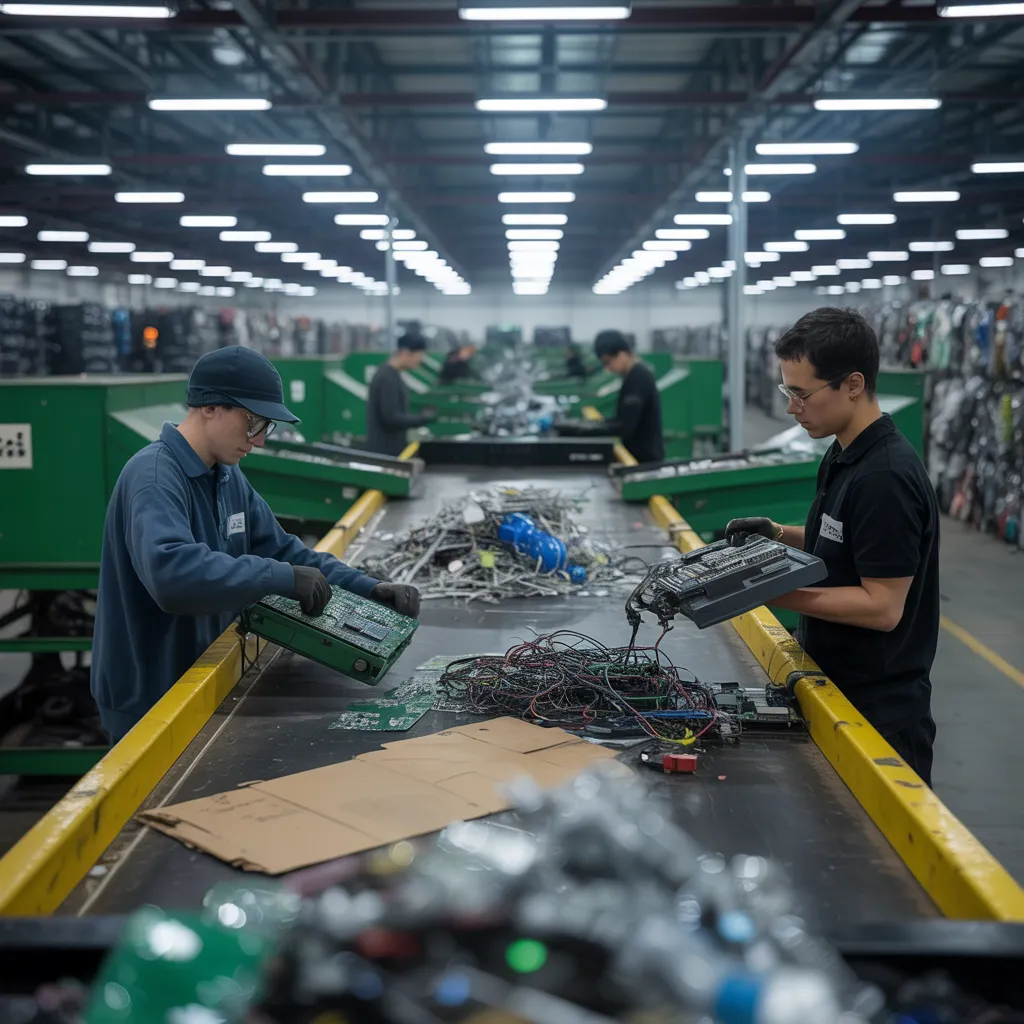
Next, workers deconstruct the electronics, extracting metals, plastics, and glass. This stage is crucial, as it facilitates the extraction of high-value metals like gold, silver, and copper, which are repurposed in modern electronics.
Afterward, the isolated materials are processed using state-of-the-art techniques, such as mechanical shredding and chemical processing, to purify them for reuse.
In the final step, the residual hazardous materials are disposed of responsibly, complying with eco-friendly standards. This systematic method not only saves important resources but also mitigates the risks connected to improper e-waste disposal, ensuring a more sustainable future for electronic device usage.
Why E-Waste Recycling Matters for You and Your Community
Though many people are unaware, the benefits of e-waste recycling reach well past personal use to meaningfully influence entire communities. By carefully processing electronic waste, individuals help foster a healthier environment, decreasing harmful substances that can contaminate soil and water. This proactive approach helps preserve local ecosystems and advances public health.
Moreover, e-waste recycling fosters the creation of jobs in communities. Regional recycling centers frequently need staff for a range of functions, covering everything from collection to processing, thereby providing employment opportunities within the community. This not only boosts the local economy but also promotes community participation in sustainable initiatives.
Moreover, familiarity with e-waste recycling can lead to community outreach programs, encouraging residents to adopt eco-friendly choices. By taking part in e-waste recycling programs, individuals promote a culture of sustainability, inspiring others to join the movement. Overall, the combined impact of these actions can result in a more sustainable and conscientious community.
Tips for Choosing an E-Waste Recycling Service
Picking the right electronic waste recycling provider is essential for ensuring that e-waste is handled in a responsible and sustainable manner. Initially, consumers should confirm the company's accreditations, such as R2 or e-Stewards, which signify conformance to established benchmarks for responsible recycling methods. It is equally important to assess the company's standing by reading customer reviews and looking for advice from dependable sources.
Moreover, clarity in the recycling process is essential. A trustworthy service should offer detailed insights about the way e-waste is handled and what becomes of the materials. Additionally, evaluating the range of services offered can be beneficial; various firms may supply retrieval services or extend benefits for recycling.
Ultimately, being aware of regional rules concerning e-waste disposal can further guide the evaluation process. By taking these elements into account, residents can actively participate in successful electronic waste reduction alongside encouraging environmentally responsible practices.
How You Can Take Part in E-Waste Recycling?
Getting involved with e-waste recycling may begin at the local level, where community recycling hubs regularly supply essential services for proper disposal. Furthermore, participating in community awareness campaigns can strengthen efforts to inform Browse all others regarding the importance of responsible e-waste management. These initiatives not only promote sustainability but also cultivate a collective sense of responsibility toward the environment.
Regional Recycling Centers
Numerous community recycling facilities fulfill a critical purpose in recycling electronic waste, providing communities with accessible options to discard electronic waste in an eco-friendly way. These facilities handle a selection of electronic devices, including outdated computers, mobile phones, and TVs, making certain that hazardous materials are managed safely. Many hubs feature knowledgeable personnel who support individuals in understanding proper disposal practices, stressing the significance of recycling instead of landfilling. Furthermore, many centers offer scheduled drop-off occasions or specific collection dates, making it easy for residents to participate. Through the use of these community services, community members advance a circular economy, lowering environmental harm and encouraging sustainable habits. Connecting with these stations allows communities to address e-waste pollution proactively.
Community Awareness Campaigns
Local organizations, schools, and businesses can collaborate to host events that promote e-waste collection drives. Community members can serve a critical function in raising awareness, sharing informational resources, and connecting with local residents. By means of these joint initiatives, residents become more informed and motivated to recycle their electronic waste, thereby helping to build a greener and more sustainable tomorrow.
Frequently Asked Questions
What Electronic Devices Are Eligible for Recycling?
Numerous electronics may be recycled, including computers, smartphones, televisions, laptops, gaming consoles, and printers. Moreover, peripherals such as mice, keyboards, and batteries are well-suited for recycling, contributing to eco-friendly conservation initiatives.
Are There Any Costs Associated With E-Waste Recycling?
That's correct, e-waste disposal can include fees, depending on the service provider. Some service centers impose charges for collection or processing, while others make services available at no charge, typically funded by the resale of recovered materials.
How Do Businesses Gain From E-Waste Recycling?
Businesses can benefit from e-waste recycling by reducing disposal costs, strengthening their ecological standing, complying with regulations, extracting valuable resources, and potentially generating revenue through resale, thereby fostering a more environmentally responsible business approach.
What Becomes of Data on Recycled Devices?
Information from refurbished electronics is often irretrievably wiped or obliterated throughout the recycling process. This guarantees sensitive information remains secure, preventing unauthorized access while enabling resources to be reused securely and sustainably across new manufacturing processes.
Is It Possible to Recycle Damaged Electronics?
Absolutely, damaged electronics may be recycled. Many recycling centers take in defective devices, ensuring safe disposal and extraction of valuable materials. It helps reduce harm to the environment while fostering responsible recycling practices to manage electronic waste properly.